
Suppressing evidence- Fairfax criminal defense lawyer speaks
Suppressing evidence- Fairfax criminal defense lawyer speaks
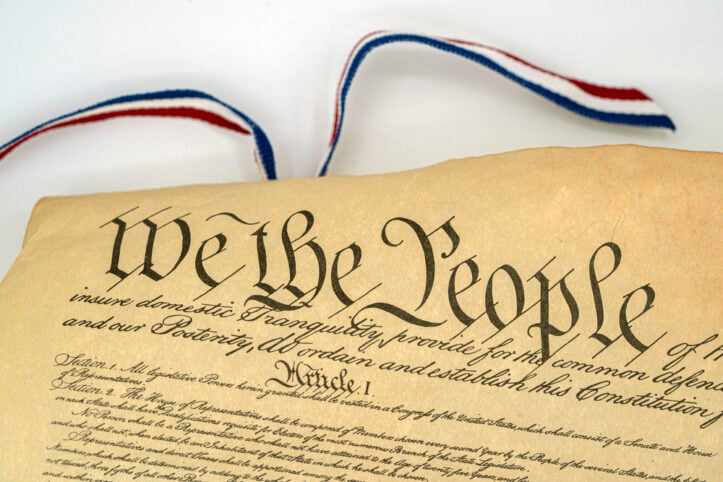
Suppressing evidence is not assured, says Fairfax criminal defense lawyer
Suppressing evidence is great when granted for a Virginia criminal defendant. However, as a Fairfax criminal defense lawyer, I know that trial and appellate judges are often very resistant to granting relief to defendants who claim that incriminatory evidence was seized in violation of their Consittutional Fourth Amendment rights against search warrants issued without probable cause and unreasonable searches and seizures. The Fourth Amendment proclaims: “The right of the people to be secure in their persons, houses, papers, and effects, against unreasonable searches and seizures, shall not be violated, and no Warrants shall issue, but upon probable cause, supported by Oath or affirmation, and particularly describing the place to be searched, and the persons or things to be seized.”
How many judges would want to pass the Fourth Amendment if it went up for a vote today?
Judges are required to follow their oath, which includes upholding the United States Constitution, which includes the Bill of Rights, which includes the Fourth Amendment. Consequently, ideally all judges will breathe sufficient life into the Fourth Amendment even if they think the amendment and Fourth Amendment jurisprudence is too friendly to criminal defendants. Is it necessary for a Virginia criminal defense lawyer to remind a judge of their oath to uphold the Constitution, even if they do not agree with any parts of that document? Not if the judge simply upholds their oath of office. How can the judge be reminded of that obligation without alienating the judge or worse? One possible approach is to say something along the lines of: “Plenty of members of the public might oppose suppressing the evidence against my client, Jim, seeking the ends to justify the means. Thank goodness we have courts to rule based on the law and not based on opinion supplanting the Constitution.
Is a home search permitted based on observation of activity consistent with drug dealing without witnessing any drugs?
The Virginia Court of Appeals, in an unreported opinion about not suppressing police search evidence, okayed the home search of a drug trafficking suspect, where the suspicious activity was reported by a neighbor, without seeing an exchange of money nor controlled substances. Murchison v. Commonwealth of Virginia, Record No. 2118-24-2 (Va. App. 2026) (unpublished). The central holding of Murchison is: “Applying a well-accepted principle of appellate review, which allows us to decide the case on the best and narrowest ground, we assume without deciding that the contents of the search warrant applications and affidavits were insufficient to provide probable cause to search for firearms and ammunition. See Morris v. Commonwealth, 77 Va. App. 510, 517 n.2 (2023) (en banc). But that assumption does not end the legal inquiry. Instead, we must consider whether the exclusionary rule applies. We now hold under a very similar analysis applying the instant facts and legal principles that the exclusionary rule does not apply. The best and narrowest ground for decision here is that the good-faith exception to the exclusionary rule rendered the searches reasonable and thus constitutional. See Ward v. Commonwealth, 273 Va. 211, 221, 225 (2007); Lane v. Commonwealth, 51 Va. App. 565, 571 (2008).” Murchison.
What is the good faith exception to the Fourth Amendment exclusionary rule for suppressing evidence?
“The exclusionary rule, which serves as the basis for suppressing unconstitutionally seized evidence, is ‘designed to deter police misconduct.’ Polston, 255 Va. at 503 (quoting United States v. Leon, 468 U.S. 897, 916 (1984)). So the ‘suppression of evidence obtained pursuant to
a warrant should be ordered . . . only in those unusual c[ircumstance]s in which exclusion will further the purposes of the . . . rule.’ Id. (quoting Leon, 468 U.S. at 918); see Freeman v. Commonwealth, 65 Va. App. 407, 420 (2015) (recognizing that ‘exclusion “has always been [a court’s] last resort, not [its] first impulse”‘… As a result, the exclusionary rule is subject to what is known as the good-faith exception… This exception recognizes that the deterrent effect provided by the exclusionary rule simply “‘is not present when a police officer, acting in objective good faith, obtains a search warrant from a magistrate and conducts a search within the scope of th[at] warrant.” Id… Both the
merits analysis and the good-faith analysis require an evaluation of probable cause… But “[t]he showing of an ‘objectively reasonable belief’ that probable cause existed under the good-faith exception is a significantly lesser standard than a showing of a ‘substantial basis’ for upholding a magistrate’s determination of probable cause.’ Id. When the evidence meets the ‘objectively reasonable’ belief standard of
the good-faith exception, exclusion is not required.” Murchison. Consequently, a Virginia criminal defense lawyer should certainly argue to suppress defense-damning evidence, but should not rely solely on having the case rise and fall on suppression.
Fairfax criminal lawyer Jonathan Katz knows that Virginia misdemeanor, felony and DUI prosecutions need to be fought tooth an nail. Find out what Jon Katz can do for you and your defense, at
Suppressing evidence is not assured, says Fairfax criminal defense lawyer
Suppressing evidence is great when granted for a Virginia criminal defendant. However, as a Fairfax criminal defense lawyer, I know that trial and appellate judges are often very resistant to granting relief to defendants who claim that incriminatory evidence was seized in violation of their Consitutional Fourth Amendment rights against search warrants issued without probable cause and unreasonable searches and seizures. The Fourth Amendment proclaims: “The right of the people to be secure in their persons, houses, papers, and effects, against unreasonable searches and seizures, shall not be violated, and no Warrants shall issue, but upon probable cause, supported by Oath or affirmation, and particularly describing the place to be searched, and the persons or things to be seized.”
How many judges would want to pass the Fourth Amendment if it went up for a vote today?
Judges are required to follow their oath, which includes upholding the United States Constitution, which includes the Bill of Rights, which includes the Fourth Amendment. Consequently, ideally all judges will breathe sufficient life into the Fourth Amendment even if they think the amendment and Fourth Amendment jurisprudence is too friendly to criminal defendants. Is it necessary for a Virginia criminal defense lawyer to remind a judge of their oath to uphold the Constitution, even if they do not agree with any parts of that document? Not if the judge simply upholds their oath of office. How can the judge be reminded of that obligation without alienating the judge or worse? One possible approach is to say something along the lines of: “Plenty of members of the public might oppose suppressing the evidence against my client, Jim, seeking the ends to justify the means. Thank goodness we have courts to rule based on the law and not based on opinion supplanting the Constitution.
Is a home search permitted based on observation of activity consistent with drug dealing without witnessing any drugs?
The Virginia Court of Appeals, in an unreported opinion about not suppressing police search evidence, okayed the home search of a drug trafficking suspect, where the suspicious activity was reported by a neighbor, without seein an exchange of money nor controlled substances. Murchison v. Commonwealth of Virgnia, Record No. 2118-24-2 (Va. App. 2026) (unpublished). The central holding of Murchison is: “Applying a well-accepted principle of appellate review, which allows us to decide the case on the best and narrowest ground, we assume without deciding that the contents of the search warrant applications and affidavits were insufficient to provide probable cause to search for firearms and ammunition. See Morris v. Commonwealth, 77 Va. App. 510, 517 n.2 (2023) (en banc). But that assumption does not end the legal inquiry. Instead, we must consider whether the exclusionary rule applies. We now hold under a very similar analysis applying the instant facts and legal principles that the exclusionary rule does not apply. The best and narrowest ground for decision here is that the good-faith exception to the exclusionary rule rendered the searches reasonable and thus constitutional. See Ward v. Commonwealth, 273 Va. 211, 221, 225 (2007); Lane v. Commonwealth, 51 Va. App. 565, 571 (2008).” Murchison.
What is the good faith exception to the Fourth Amendment exclusionary rule for suppressing evidence?
“The exclusionary rule, which serves as the basis for suppressing unconstitutionally seized evidence, is ‘designed to deter police misconduct.’ Polston, 255 Va. at 503 (quoting United States v. Leon, 468 U.S. 897, 916 (1984)). So the ‘suppression of evidence obtained pursuant to
a warrant should be ordered . . . only in those unusual c[ircumstance]s in which exclusion will further the purposes of the . . . rule.’ Id. (quoting Leon, 468 U.S. at 918); see Freeman v. Commonwealth, 65 Va. App. 407, 420 (2015) (recognizing that ‘exclusion “has always been [a court’s] last resort, not [its] first impulse”‘… As a result, the exclusionary rule is subject to what is known as the good-faith exception… This exception recognizes that the deterrent effect provided by the exclusionary rule simply”‘is not present when a police officer, acting in objective good faith, obtains a search warrant from a magistrate and conducts a search within the scope of th[at] warrant.” Id… Both the
merits analysis and the good-faith analysis require an evaluation of probable cause… But “[t]he showing of an ‘objectively reasonable belief’ that probable cause existed under the good-faith exception is a significantly lesser standard than a showing of a ‘substantial basis’ for upholding a magistrate’s determination of probable cause.’ Id. When the evidence meets the ‘objectively reasonable’ belief standard of
the good-faith exception, exclusion is not required.” Murchison. Consequently, a Virginia criminal defense lawyer should certainly argue to suppress defense-damning evidence, but should not rely solely on having the case rise and fall on suppression.
Fairfax criminal defense lawyer Jonathan Katz knows your Virginia felony, misdemeanar and DUI prosecution need to be fought tooth and nail, not through brute force, but through the skill, patience and preparation of a razor-sharp chess player. With your free in-person initial confidential consultation with Jon Katz about your court-pending prosecution, you will feel more confident and informed about your defenses. To schedule your meeting with Jon, contact us at 703-383-1100, Info@KatzJustice.com, and (text) 571-406-7268.